1. Check WAND and local conditions: Use the nearest relevant WAND tower and keep checking. Confirm conditions at the paddock before, during and after application. If you cannot determine whether a hazardous inversion is present, do not spray.
2. Follow the label: Label directions are a legal requirement. Check permitted wind speeds, droplet size, buffer zones, application timing and any product-specific restraints.
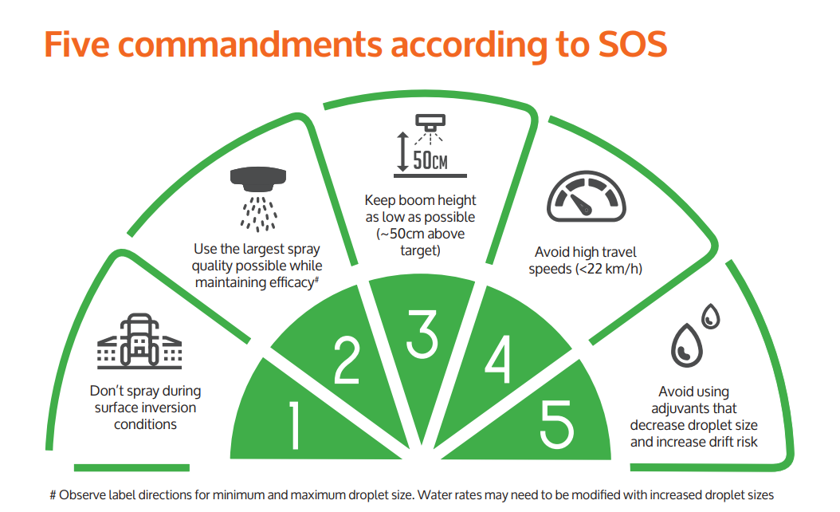
3. Use the SOS 5 Commandments: Do not spray during hazardous inversion conditions. Use the largest spray quality possible while maintaining efficacy, keep boom height as low as practical, avoid high travel speeds, and avoid conditions that reduce droplet size or increase drift risk.
4. Know what is nearby: Map sensitive crops in SataCrop, check nearby paddocks and sensitive sites, and notify neighbours of your spray plans.
5. Set up the job properly: Use suitable nozzles and spray quality, calibrate equipment, keep compliant spray records and have spray plans for different paddocks and conditions.
6. Stop when conditions change: Conditions can shift quickly. Pause the job if the inversion status, wind, temperature or other label conditions move outside safe and legal limits.
DO NOT SPRAY DURING A HAZARDOUS SURFACE TEMPERATURE INVERSION. Check WAND before and throughout spraying, check conditions at the application site, and follow every product label requirement. WAND is a decision-support tool, not a green light to spray.
If you suspect spray drift
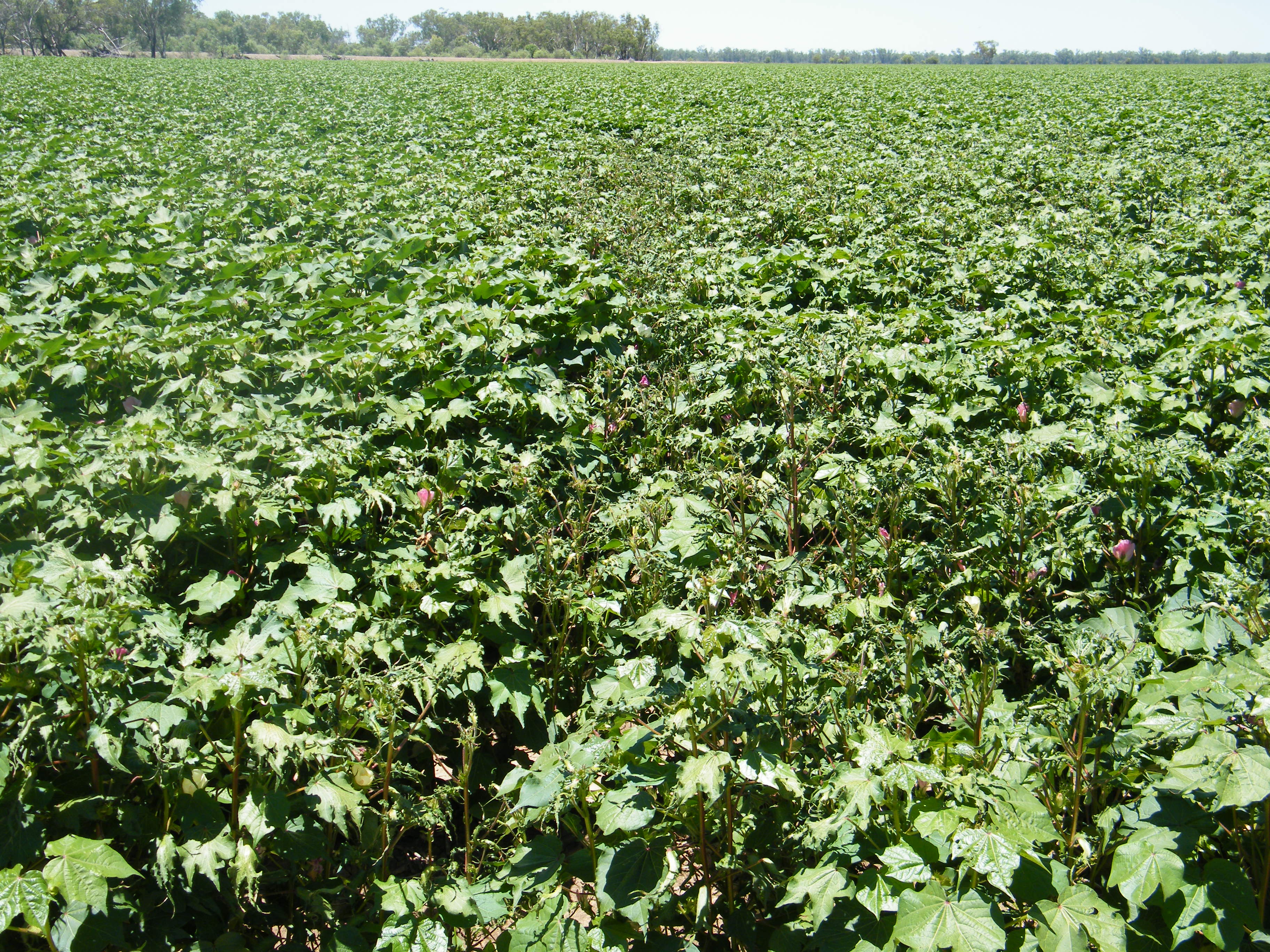
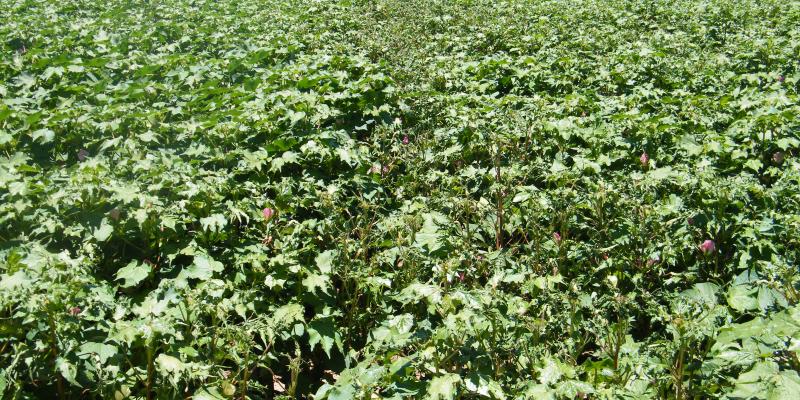
- Document it promptly - Take clear photos, record the location, date and time, crop symptoms, weather conditions and any other relevant observations. Avoid disturbing evidence where practical.
- Notify Cotton Australia - Use the Snap Send Solve app. Cotton Australia asks growers to report incidents within 24 hours where possible. You can choose whether to authorise referral to the relevant authority.
- Report further – In QLD if you want to report an incident see ‘Reporting chemical spray drift’ via Qld Government here. In NSW you can also call the Environment Line on 131 555 as soon as possible.
- Speak with your agronomist - Seek crop-specific advice, establish a monitoring plan and preserve records that may be needed for agronomic, insurance or legal purposes.
Useful links
- Effective spray application | CottonInfo
- Access WAND
- Cotton Australia Spray Drift app and user guide
- NSW EPA: Avoiding pesticide spray drift
- Reporting chemical spray drift | Business Queensland
- SataCrop
- Specifically for anyone selling phenoxy herbicides (such as 2,4-D, MCPA and dicamba): Counter sale guide for phenoxy herbicides | CottonInfo
In a nutshell: CHECK WAND. CHECK LOCAL CONDITIONS. FOLLOW THE LABEL.TALK TO YOUR NEIGHBOURS. REPORT DRIFT.
Important: This information is a general guide only and is not comprehensive or specific technical, legal or agronomic advice. Always follow the registered product label and seek appropriate professional advice for your circumstances.